
College Baseball Hall of Fame Museum at Prairiefire
Experience the region’s most exciting summer exhibitions
College Baseball Hall of Fame Museum
Overland Park, Kansas
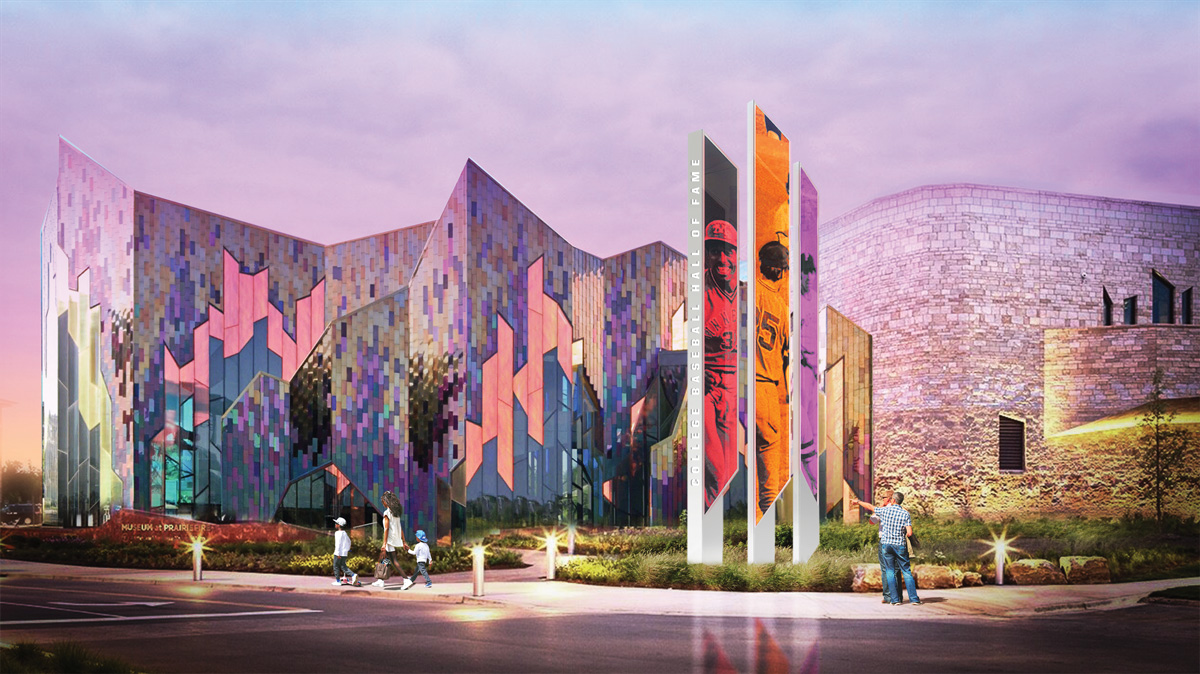
The College Baseball Hall of Fame museum partially opened in June this summer at the Museum at Prairiefire. When completed later this year, the museum will feature a locker room where visitors can listen to speeches from the greatest coaches in college baseball history, a hall of fame honoring the nearly 200 inductees who represent the college game’s greatest players, coaches, umpires and contributors, as well as a variety of interactive exhibits, including virtual batting cages.
College Baseball Hall of Fame
Museum at Prairiefire
5801 W. 135th.
Overland Park, KS 66224
Call for hours and admission
cbhalloffame.org
Kemper Museum of Contemporary Art
Kansas City, Missouri
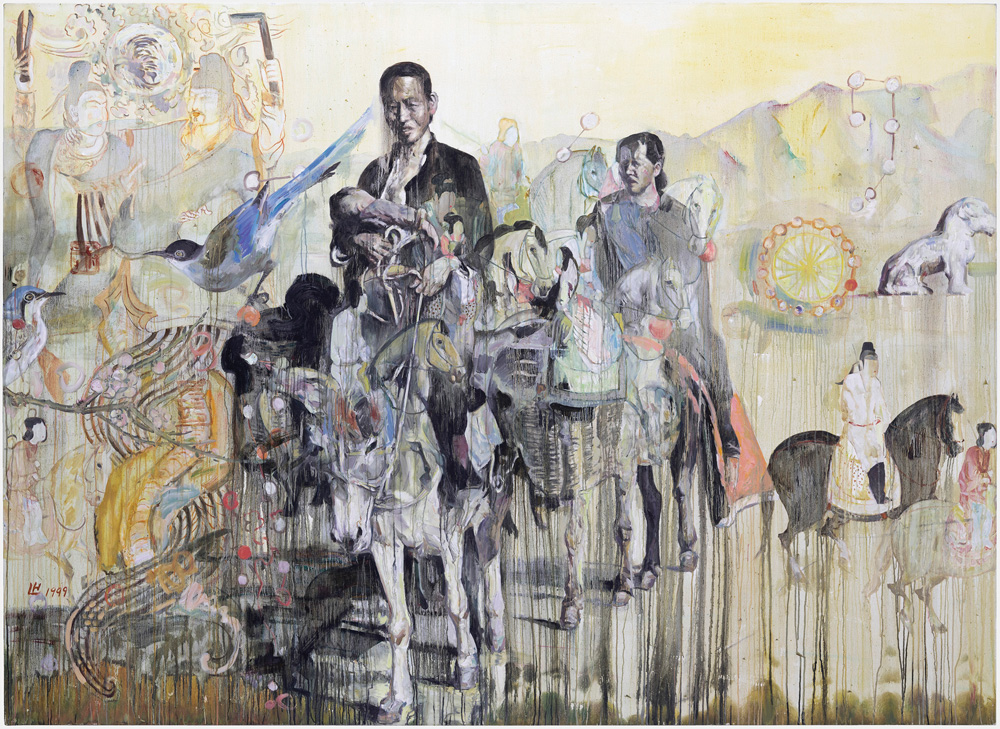
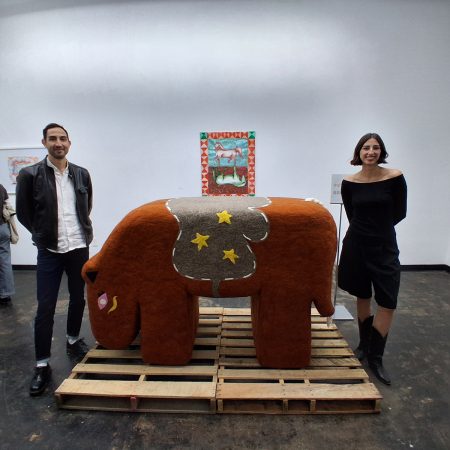
The World in Kansas City exhibit, open through August 9 at the Kemper Museum of Contemporary Art, commemorates Kansas City’s evolving global spirit by featuring artists with global backgrounds who have either established themselves or had meaningful experiences in the city and region. Encompassing ceramics, painting, AR, photography, sculpture and time-based media, these artists’ works explore themes related to cultural exchange and convergence.
Named for Charlotte Crosby Kemper, an avid collector, arts advocate and former director of the Kansas City Art Institute, Kemper Museum of Contemporary Art opened in 1994 and was founded by the late R. Crosby Kemper Jr. and Bebe Kemper. It was the first museum established to collect and present contemporary art in the state of Missouri.
Kemper Museum of Contemporary Art
4420 Warwick Blvd.
Kansas City, MO 64111
Hours: Closed Monday-Tuesday; 10 a.m. to 4 p.m.
Wednesday, Friday, Saturday, Sunday; 10 a.m. to 4 p.m.
Thursday; 10 a.m. to 9 p.m.
Admission: FREE
(816) 457-6172 | kemperart.org
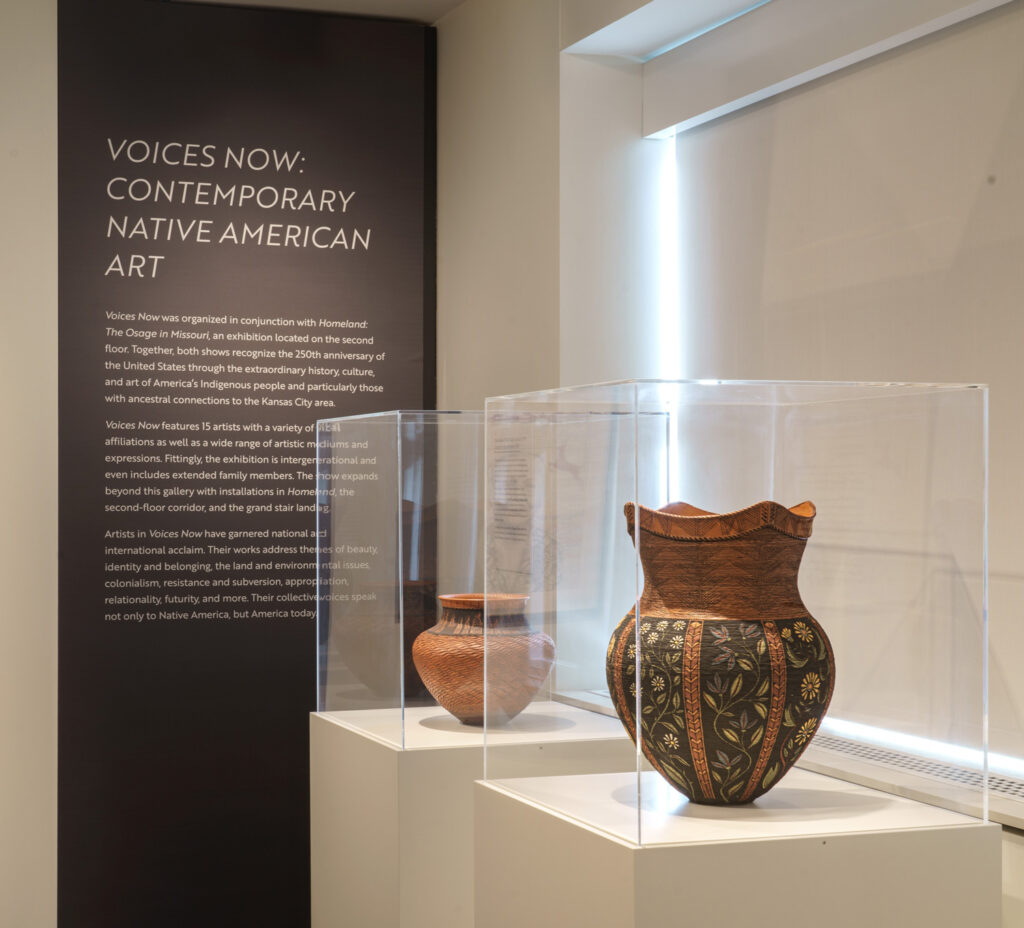
Photo by E.G. Schempf
The Museum of Kansas City
Kansas City, Missouri
To celebrate the United States’ 250th birthday and the FIFA World Cup 2026 Kansas City, the Museum of Kansas City presents two exhibits honoring Indigenous history, culture and art.
Homeland: The Osage in Missouri explores and celebrates the history, heritage, worldview and cultural continuity of the Osage people. This exhibition centers on the Osage culture and worldview while exploring how the Osage were affected by and adapted to European settlement and industrialization.
Voices Now: Contemporary Native American Art features 15 artists with a variety of tribal affiliations addressing themes of beauty, identity, etc.
The Museum of Kansas City is a city museum that embraces the humanities to explore the past, present and future of Kansas City.
The Museum of Kansas City
3218 Gladstone Blvd.
Kansas City, MO 64123
Hours: 10 a.m. to 8 p.m. Thursday; 10 a.m. to 5 p.m. Friday-Saturday; noon to 5 p.m. Sunday
Admission: FREE
museumofkansascity.org
Museum of Art and Archaeology
Columbia, Missouri
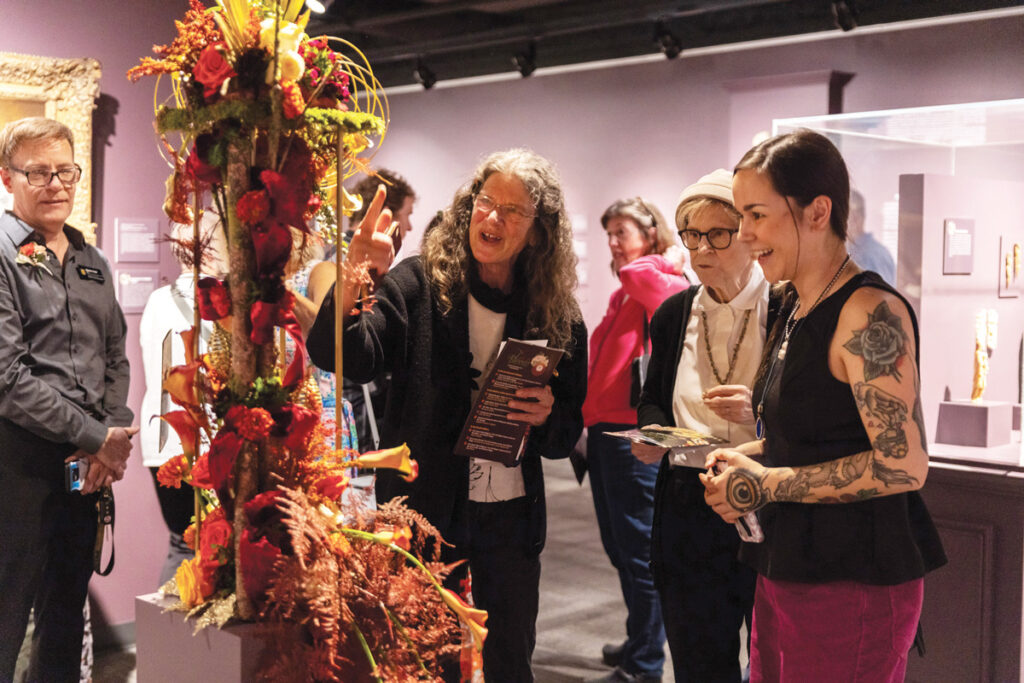
For a quick day trip, head to Columbia, Mo., where the Museum of Art and Archaeology offers an accessible, thoughtfully curated entry point into global art history – no ticket required.
“The Museum of Art and Archaeology serves the university, the community and visitors as the only accredited museum in the area,” said interim director Marie Nau Hunter. “With wide-ranging exhibitions, permanent and changing, ancient works to contemporary art can be enjoyed by visitors of all ages and interests.”
Antiquities are a strength of the museum, shaped in part by the work of archaeologists Saul and Gladys Weinberg, alongside later additions of European paintings and modern and contemporary works. The range is visible in two core gallery experiences: a chronological walk through European and American art from the 13th to 19th centuries and the Saul and Gladys Weinberg Gallery of Antiquities, where a painted mummy shroud sits alongside Greek and Roman coins, glass vessels and terracotta figures.
This year’s lineup of rotating exhibitions includes From Earth to Artist: Clay and a summer exhibition of contemporary photography by Deanna Dikeman opening in July.
The Museum of Anthropology features its standout Grayson Archery Collection, featuring more than 5,500 bows, arrows and related objects from around the world. Other displays range from 8,000-year-old sandals found in a Missouri cave to a visual timeline of human evolution.
For something unexpected, don’t miss the Art-o-Mat. This repurposed cigarette vending machine dispenses original, pocket-sized artworks by artists from around the world. For $5, it’s a small but memorable way to take art home.
Regular public programs offer additional ways to engage, all free and open to the public with no registration required.
Plan your visit or learn more at maa.missouri.edu and anthromuseum.missouri.edu
Kansas Museum of History
Topeka, Kansas
Sometimes the best road trips don’t take you far – they just help you see a place differently.
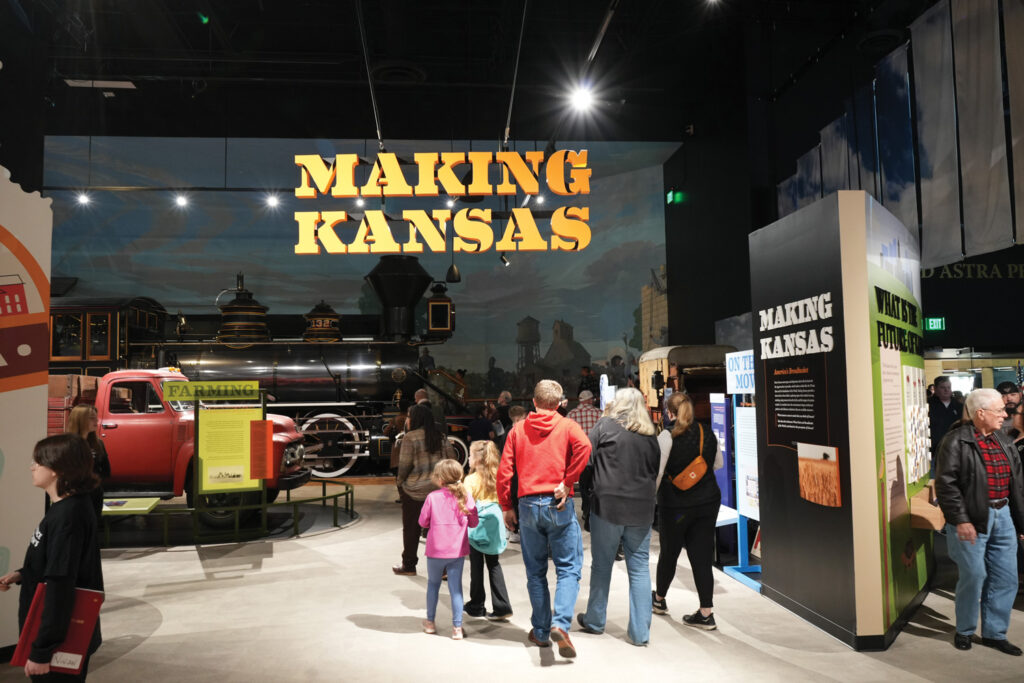
Just an hour west of Kansas City in Topeka, the Kansas Museum of History has reopened following a three-year renovation, marking its first major overhaul since opening in 1984. The result is a museum that feels less like a timeline and more like a journey – one shaped by people, place and the stories that connect them.
Visitors enter a sweeping, open gallery built around a central question: What is Kansas?
From there, history unfolds through immersive, object-rich storytelling. Stand beneath a full-size steam locomotive. Step into a recreated 1880s dugout. Encounter a 1914 biplane, a 1955 grain truck and artifacts tied to moments of conflict, innovation and community across the state.
The reimagined galleries invite exploration at your own pace, moving through Kansas’ past and present with a sense of curiosity and connection.
There’s a sense of discovery throughout – whether you’re lingering over a single story or taking in the broader sweep of history.
Plan your trip at kansashistory.gov
St. Louis Art Museum
St. Louis, Missouri
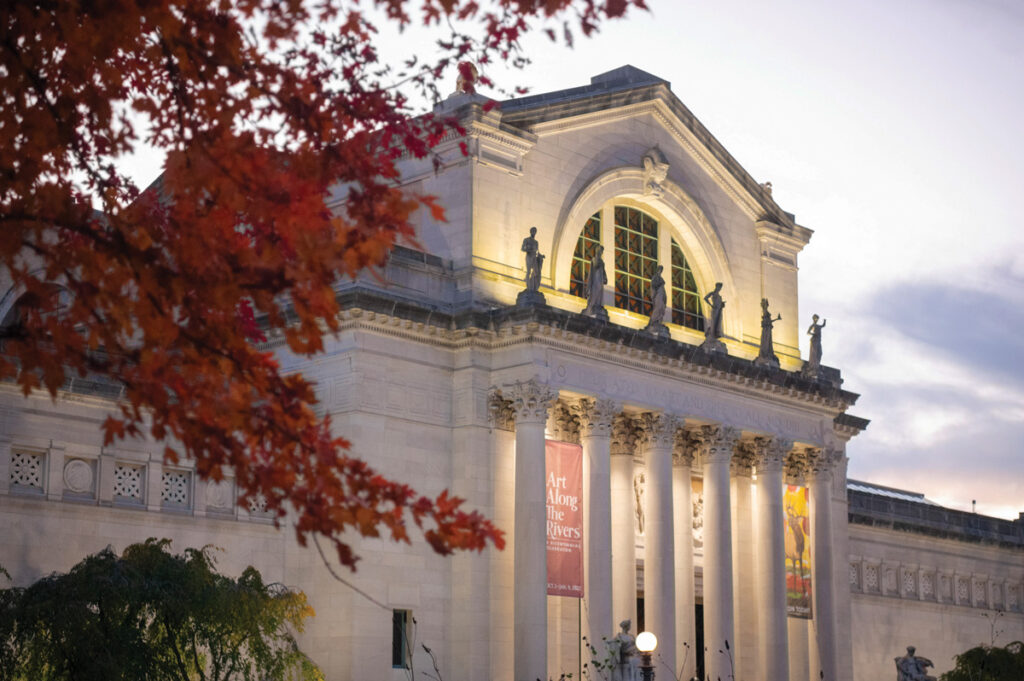
There are museums you visit – and then there are museums you return to. Set atop Art Hill in Forest Park, the Saint Louis Art Museum is one of those places.
Housed in the only permanent building from the 1904 World’s Fair, it pairs historic architecture with an expansive, ever-evolving collection that spans 5,000 years and nearly every corner of the globe.
This summer, the museum offers several compelling reasons to make the trip. Ancient Splendor: Roman Art in the Time of Trajan (running through August 16) brings rare antiquities from Italy – including works from the Vatican and Naples – into a richly immersive exhibition exploring life at the height of the Roman Empire, complete with soundscapes and other stations that engage the senses.
In contrast, Visions of Antiquity (running through October 18) looks not at the ancient world itself, but at how artists across centuries – from the 1500s to today – have reinterpreted Greek and Roman ideas, revealing how the past continues to shape artistic imagination.
Picturing Independence turns the focus to American history, marking the nation’s 250th anniversary through paintings, prints and objects that explore how artists have depicted revolution, identity and national symbols over time.
Beyond special exhibitions, the museum rewards wandering. Don’t miss Claude Monet’s “Water Lilies” or works by Missouri artist George Caleb Bingham.
With free admission every day as well as extended hours and free programs on Friday evenings, it’s an easy and enriching stop for both day-trippers and summer travelers.
Explore more at slam.org
Crystal Bridges Museum of American Art
Bentonville, Arkansas
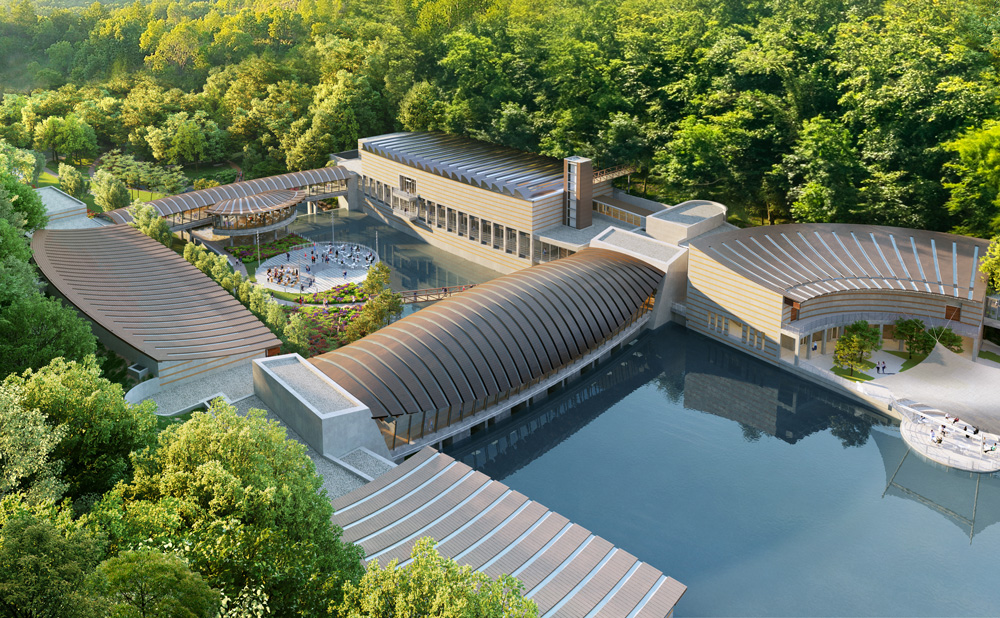
This summer, a major expansion at Crystal Bridges Museum of American Art in Bentonville, Ark., will change not just what visitors see – but how they move through it.
The expansion opened in June 2026, marking both the museum’s 15th anniversary and a turning point in its evolution. Designed by Safdie Architects, the 114,000-square-foot addition increases the museum’s size by more than half and deepens its defining idea: that art and nature are best experienced together.
Set within a forested landscape, the new pavilions extend the museum’s signature architecture across water and terrain, completing a figure-eight path that connects galleries, trails and gathering spaces. Visitors will notice light-filled galleries with adjustable skylights, quiet transition areas that open onto the landscape and a new bridge building that links exhibitions with a café overlooking an outdoor plaza designed for performances and community events.
The expansion also introduces a dedicated learning and engagement hub with studios, maker spaces and flexible classrooms – spaces intended as much for participation as observation.
That approach carries into the summer exhibition lineup. Opening with the expansion, Keith Haring in 3D reconsiders an artist best known for bold, graphic imagery by focusing on his lesser-seen sculptural work. Visitors will encounter Haring’s visual language in physical space – totems, objects and installations that invite movement around and through the work rather than a single point
of view.
For those seeking a quieter experience, The Art of Birdwatching with Susan Morrison, on view through September, offers a more contemplative path. Pairing Morrison’s detailed drawings with works by artists such as John James Audubon and Andy Warhol, the exhibition reflects on observation, environment and the long tradition of finding meaning in the natural world.
The museum’s contribution to the national America at 250 commemoration – on view through late July – adds another layer, bringing together objects and images that explore how Americans have documented, celebrated and questioned their shared history.
Throughout the campus, outdoor trails, sculpture installations and newly expanded gathering spaces make it easy to extend a visit beyond the galleries. The experience is as much about movement – across bridges, through woods, between buildings – as it is about what hangs on the walls.
For travelers passing through the region this summer, Crystal Bridges offers something distinct: not just a museum visit, but a place to spend time – walking, looking and encountering art in ways that unfold gradually.
Explore more at crystalbridges.org